What are signs of fleas in the house? Scratching pets, flea dirt, small jumping insects and bites around the ankles are common clues. This guide explains how to check pets, bedding and carpets, and when to seek flea pest control in Portsmouth, Southampton, Basingstoke and Hampshire.
How to Identify Signs of Fleas
Fleas can enter UK homes on cats, dogs and other animals, even when a pet spends most of its time indoors. The most useful signs of fleas are repeated scratching, licking or biting, especially around a pet's lower back, tail base and neck. Cat fleas are common on both cats and dogs; an adult flea is small, dark and fast moving.
Part the pet's fur and use a fine toothed flea comb over white paper. You may spot adult fleas moving through the coat or find tiny dark specks near the skin. These specks may be flea dirt, the droppings left after fleas feed on blood. Spotting adult fleas confirms activity, but their absence does not rule out an infestation.
Flea dirt looks like black pepper. Put a few specks on a damp white paper towel: a reddish brown stain suggests digested blood rather than ordinary dirt. Check several places because grooming can remove visible fleas. Flea eggs are much harder to see, so a clean looking coat does not mean there are no fleas in your home.
After a blood meal, a female flea lays pale eggs on its host. Flea eggs fall from the pet's fur into pet bedding, carpets, rugs and floor cracks, particularly where the animal rests. They are tiny and white, and a magnifying glass may help, but eggs alone are difficult to identify. Finding flea dirt and a scratching pet is usually more informative.
Do You Have Fleas?
A flea problem is more than an occasional nuisance. Adult fleas feed on pets and can also bite humans, while eggs and larvae build up where animals sleep. The British Pest Control Association (BPCA) says about 95% of the eggs, larvae and pupae in a flea infestation are in the environment rather than on pets. That is why checking the house matters.

Scratching
Excessive scratching is often the first clue that a dog or cat has fleas. Look for repeated biting, licking or grooming around the tail base, hindquarters and neck. One pet may react strongly to a few flea bites while another shows few signs, so check every animal in the household rather than judging the infestation by scratching alone.
Part the fur slowly against the direction it grows, especially where your pet struggles to groom. Look for reddish brown adult fleas, black flea dirt, irritated skin and small scabs. If your pet is constantly scratching but you cannot spot fleas, use a flea comb and ask your vet about other possible causes of itching.
Hair Loss
Hair loss can follow persistent scratching or overgrooming. Dogs and cats with fleas may develop thin patches around the lower back or tail base, while cats may groom away much of the visible evidence. Sore skin or hair loss is a reason to seek veterinary advice; fleas are one possibility, but other skin problems can look similar.
Some pets develop an allergic reaction to flea saliva and become very itchy after only a few bites. If the skin is red, broken or infected, a veterinarian can assess the cause and recommend suitable flea treatment. Do not assume a flea shampoo or flea collar will solve an established infestation without advice on treating the home too.
Red Skin and Flea Bites
Flea bites on people usually appear as small itchy bumps, often in groups around the lower legs and ankles. They can be uncomfortable, but bites alone cannot prove that fleas are present: other insects and skin conditions can cause similar marks. Look for fleas on your pet or flea dirt in the house before deciding what treatment is needed.
On pets, flea saliva may trigger redness, irritation and an allergic reaction. Look beneath the fur for small scabs, sore patches or inflamed skin, especially near the tail and neck. A pet that seems distressed or has a spreading skin problem needs a vet's assessment. Treating bites without addressing the flea life cycle allows new adults to emerge.

Ankle Bites
Fleas can bite humans when they jump from carpets, rugs or pet resting places. Bites commonly affect ankles and lower legs, particularly when someone walks through an infested room. If marks appear after you enter a room that has stood empty, check for jumping insects as well as flea dirt around the floor edges.
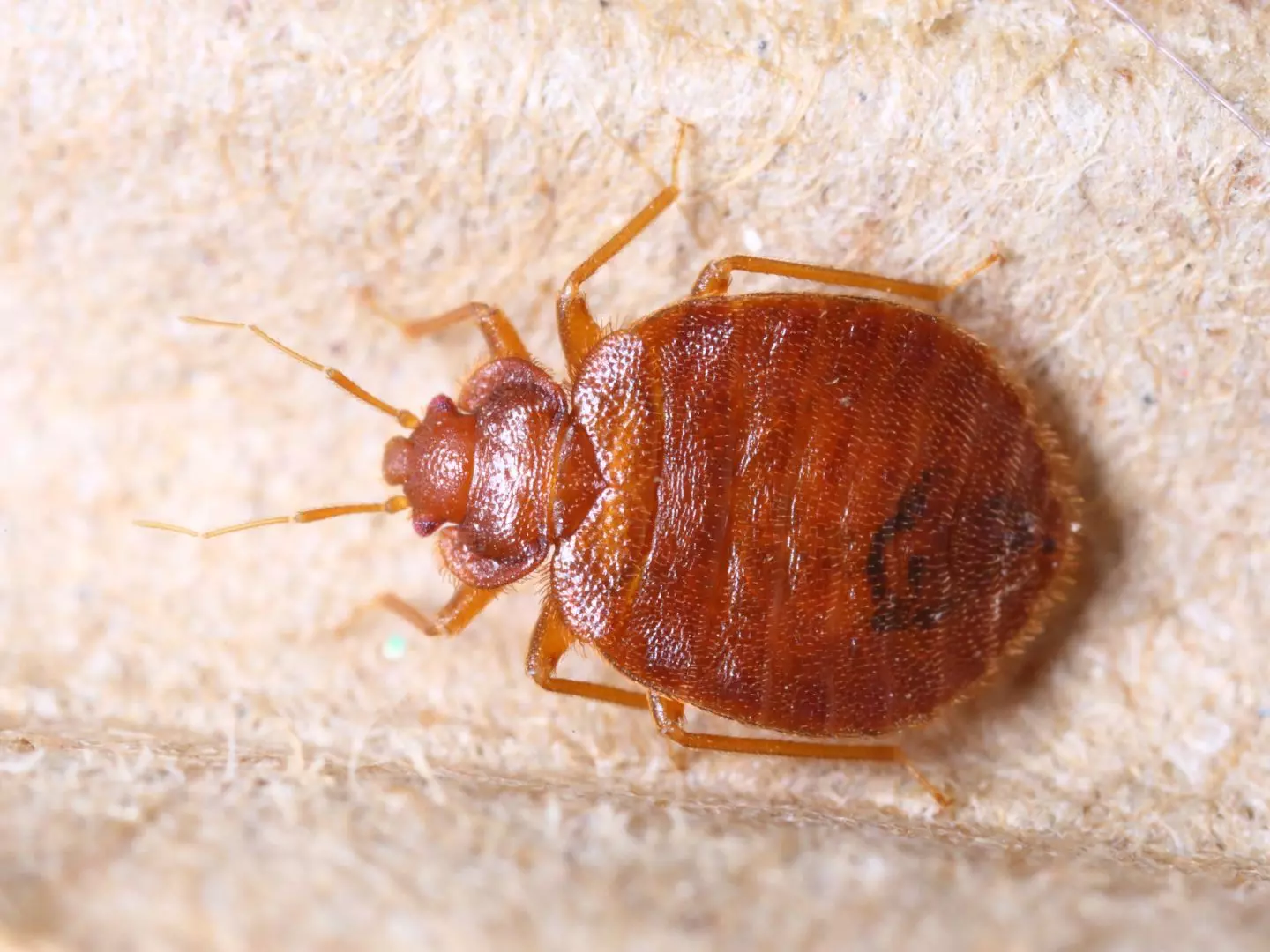
Itchy marks do not have a unique pattern that reliably separates flea bites from bedbug bites. The NHS notes that flea bites often occur in groups below the knees, while bedbugs may leave clues on bedding or furniture. If you are unsure, identify the insect or ask a pest professional to inspect before using an insecticide.
White Sock Test
A white sock check may help you spot fleas. Wear long white socks and walk slowly across carpets and near pet bedding; dark adult fleas may jump onto the light fabric. Check the socks closely after a few minutes. This simple test can support other signs, but a negative result does not exclude eggs, larvae or pupae hidden in the room.
Fleas respond to the presence of a potential host, so you may notice movement after entering a quiet room. Inspect floors, sofas and pet resting areas as well as the socks. If you find fleas, act quickly: check all pets, vacuum thoroughly and seek advice on a coordinated flea treatment rather than relying on a single spot check.
Pale Gums
A heavy flea infestation can cause blood loss, especially in young, small or unwell pets. Pale gums, weakness or unusual tiredness are warning signs that need prompt veterinary attention. Do not wait for the flea problem to become obvious in the carpets before speaking to a vet about a dog, cat or other affected animal.
Anaemia means there are too few healthy red blood cells to carry oxygen normally. Fleas are one possible cause in severe cases, but pale gums can have many causes and require professional assessment. The immediate priority is the pet's health; household flea control can then address eggs, larvae and adults in the environment.
Flea Dirt
Flea dirt is one of the clearest signs of fleas on a pet. These tiny black specks are flea droppings containing digested blood, and they often collect near the tail base or where the pet sleeps. They can resemble regular dirt or dandruff, so test a few specks with water rather than guessing from colour alone.
Place the specks on a damp white paper towel and wait briefly. A red or rusty stain supports the identification of flea dirt because the droppings contain blood. If the test is unclear, comb the pet again over white paper and check pet bedding. A vet can help identify the cause of itching if no fleas or flea dirt are found.
Flea Eggs in the Carpet
Flea eggs may collect in carpets, upholstery and bedding because they fall from animals after being laid on the fur. Larvae then move into darker, sheltered places such as carpet edges and floor cracks. Finding visible adult fleas is often easier than finding eggs; an infestation may be present even when you cannot see white grains in the carpet.
Use a bright light and a magnifying glass if you want to inspect pet resting areas, but avoid treating every pale grain as a flea egg. Vacuum carpets, rugs and furniture thoroughly, paying attention to edges and cracks. Empty the vacuum bag or container into an outside bin after cleaning so collected pests do not stay indoors.
Restless Pets
A pet with fleas may sleep poorly, groom more often or avoid being touched near sore skin. Behaviour changes have many causes, but restlessness alongside scratching, flea dirt or visible fleas strengthens the case for an active infestation. Check all pets, including cats that may hide their itching through frequent grooming.
If your dog or cat suddenly seems uncomfortable, examine the coat and pet bedding, then speak to a vet if symptoms persist. Early action helps prevent flea infestations from spreading through the home. It also helps you avoid using an unsuitable product when the real cause of the pet's discomfort is something else.
Signs of Fleas in your Bed
Signs of fleas in a bed usually mean a pet has rested there or fleas have reached nearby bedding and carpets. Cat fleas can feed on dogs, cats and sometimes humans. Fleas do not live permanently on people, but bites can occur where an infested pet sleeps close to the family.
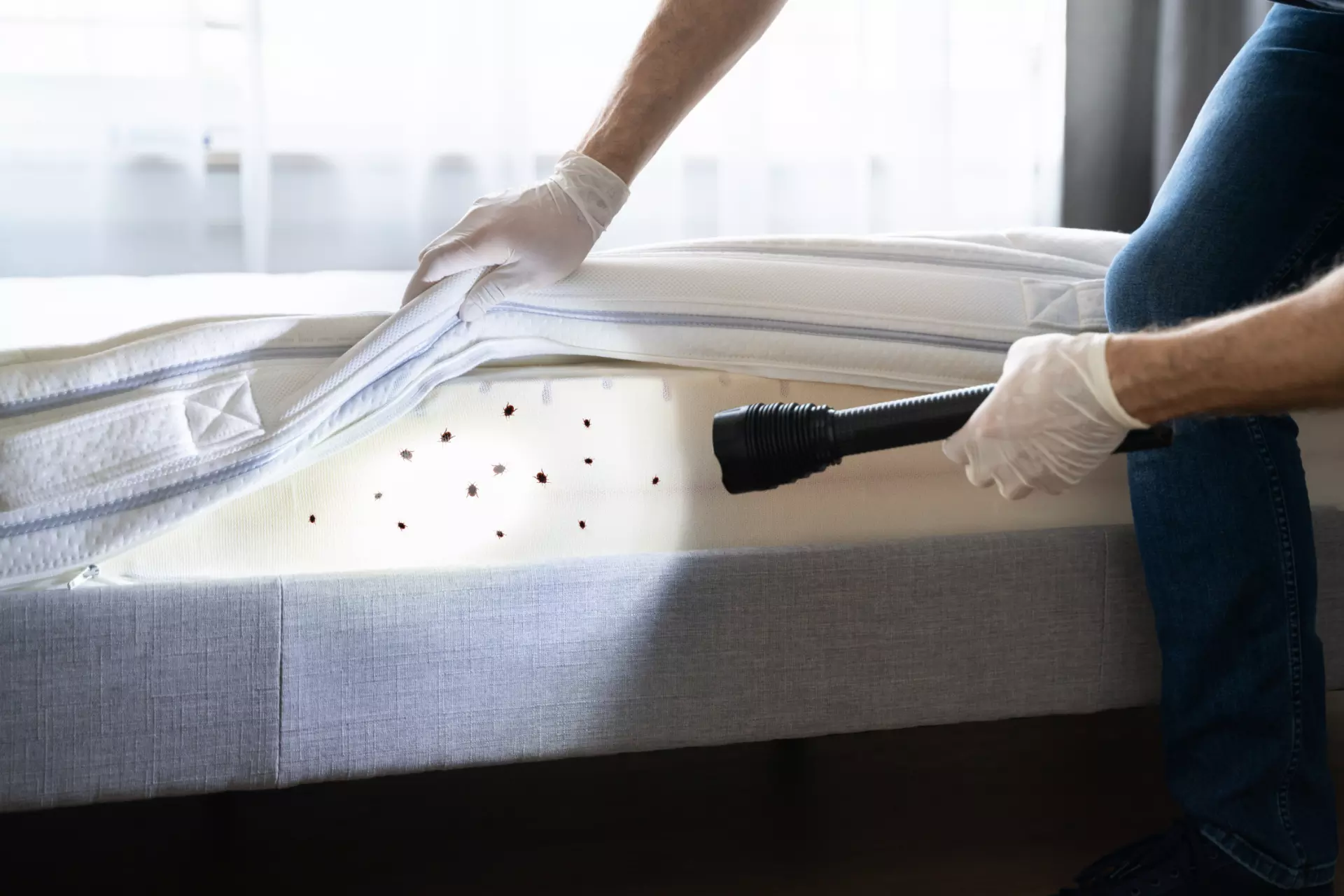
Check sheets, blankets, mattress seams and the floor around the bed for jumping adult fleas or dark specks. Flea eggs can fall from a pet's fur into bedding, although most developing stages are spread through the pet's usual resting areas. Wash bedding and inspect the pet before assuming every itchy mark came from fleas.
Small itchy bumps on ankles or lower legs can be consistent with flea bites. Some people react more strongly than others, so one household member may notice bites while another does not. Check for fleas on the pet and in carpets rather than using the location of bites as the only evidence of an infestation.
Bedbugs can also cause grouped bites, and bites alone cannot reliably identify the pest. Look for insects, flea dirt, pet symptoms and clues around the bed. If identification remains uncertain, a professional inspection is worthwhile before any treatment. Seek medical advice for severe swelling, signs of infection or persistent irritation.
What Do Fleas and Their Eggs Look Like?
The flea life cycle has four stages: egg, larva, pupa and adult. After feeding, female fleas lay eggs that fall into the environment. The eggs hatch into pale larvae, which avoid light and feed on organic debris, including flea droppings. Time spent at each stage depends on warmth and humidity, so there is no fixed timetable for every house.
Flea larvae move into protected spaces before forming cocoons. Flea pupae can remain sheltered until warmth, movement or vibrations suggest a host is nearby. This helps explain why adult fleas may appear weeks after the first treatment or when a home that stood empty is occupied again. A plan must address eggs, larvae and pupae as well as adults.
Adult fleas are wingless, reddish brown insects with powerful legs for jumping. They are visible to the naked eye, though their small size and speed make them easy to miss. A flea seen on a pet or white sock is a stronger clue than an unexplained bite, and flea dirt provides further confirmation.
Part a pet's fur near the tail base and neck, then comb onto white paper. The adults may move quickly away from light, while the tiny eggs can fall out of the coat. If you identify fleas, check every pet and the rooms they use; finding one adult does not show how many immature fleas are developing nearby.
Flea Treatment for Beds & Upholstery
To get rid of fleas, treat pets and their environment together. Ask a vet for a suitable flea treatment for each animal, and vacuum carpets, rugs, furniture and floor edges thoroughly. Wash pet bedding and washable blankets at 60°C when the fabric label allows, as PDSA advises. Regular cleaning removes many eggs and larvae but may not fully eliminate an established infestation.
A household flea spray or professional flea control may be needed after vacuuming. Always follow the product instructions and keep pets and people away from treated surfaces for the specified time. Never apply a dog flea product or household spray to a cat: some ingredients, including permethrin, are highly toxic to cats. Ask your vet if you are unsure which products are safe.
Empty the vacuum bag or container outside after each thorough clean. If a pest control professional applies a residual insecticide, follow their advice about when to vacuum again so you do not remove the treatment too soon. Continue checking pets and pet bedding over the following weeks; newly emerging adults do not always mean the treatment has failed.
Where Else Should You Check?
Check the places a pet uses every day: pet bedding, sofas, rugs, carpets and the edges of rooms. Flea larvae tend to avoid light, so floor cracks and sheltered spaces around furniture may hold developing fleas. Fleas can also arrive on visiting animals or wildlife, including foxes or feral cats, although a pet is the more common starting point inside a home.
A home without pets can still have fleas if the previous occupants kept animals or if wildlife has nested in the property. Pupae may wait in cocoons and emerge after movement and warmth return. If fleas appear after moving into an empty house, check the full flea life cycle rather than assuming a single insect has simply hitched a ride on clothing.
How to Prevent Fleas Returning
To prevent flea infestations, use a vet recommended preventive for every eligible pet, following the label for species, age and weight. Flea collars and topical solutions differ in effectiveness and safety; a vet can help choose the right product. Flea shampoo may remove some visible adults but is not a complete solution for eggs and larvae in the house.
Keep pet bedding clean, vacuum regularly and inspect pets after contact with other animals. Fleas can be active year round in warm UK homes. If you continue to find fleas after following a coordinated plan, ask a qualified pest control professional to assess the property and explain the next step. Getting rid of fleas can take patience because protected pupae may hatch later.
Need help with fleas in Portsmouth, Southampton, Basingstoke or Hampshire?
Pest Control Hampshire can assess signs of fleas in your home and advise on treatment across Portsmouth, Southampton and Hampshire. Speak to our local pest control team.
For advice on flea removal, visit our flea control service page or contact the team to discuss what you have found.