
What problems can a pest infestation cause your business? From contaminated food and damaged property to lost customers, legal action and business closure, pests can create serious problems for almost every commercial environment. Understanding the risks, recognising the signs and putting effective pest control measures in place can help protect your premises, employees, customers and reputation.
How Much Do Pest Infestations Cost Businesses?
A pest infestation can affect a business financially in several ways. There is the immediate cost of pest control, cleaning and repairs, but this may only be the beginning. Businesses may also lose stock, experience downtime, dispose of contaminated products, replace damaged equipment or temporarily shut parts of their premises.
For food businesses in particular, an infestation can result in large amounts of food waste. Products may have to be destroyed if pests have damaged the packaging, contaminated food containers or moved across preparation areas, shelves and work surfaces.
Even businesses that do not serve customers face a significant risk. Rodents can damage equipment, insects can contaminate products and nesting birds can affect roofs, drains and exterior areas. The longer pest activity continues, the greater the potential financial impact becomes.
Most pests also breed quickly when food, water and shelter are available. This means a small problem can turn into a serious pest infestation within a relatively short period. Dealing with the problem early will usually be easier than trying to recover from an established infestation.
How Common Are Pest Problems?
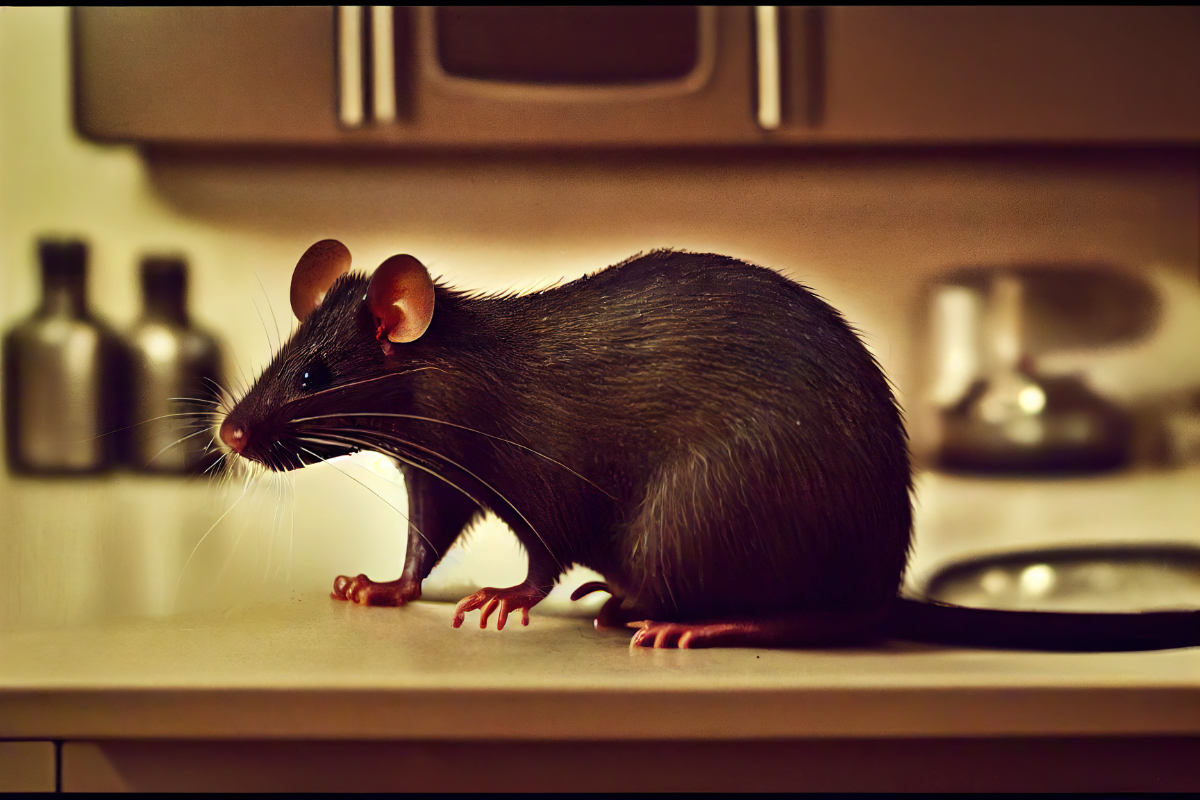
Recent figures show why businesses should remain aware of the threat posed by pests. Analysis of pest activity recorded by Rentokil during 2025 found that rats accounted for 25% of recorded activity, while mice accounted for 22%. Wasps represented 8%, bed bugs 6% and fleas 4%.
Rats and mice therefore represented almost half of the recorded pest activity in that data. While these figures should not be treated as a measure of every infestation in the UK, they demonstrate that rodents remain a real problem for homes and commercial premises.
Local figures also show continuing demand for pest control services. Preston City Council recorded 1,505 pest control service requests during 2025, including 897 relating to rats, 374 to mice and 90 to cockroaches. These figures relate to one council area rather than the whole country, but they show how regularly common pests can require action.
How Would a Pest Infestation Affect Your Business?
A pest infestation can affect almost every part of a business. The presence of insects, rodents, birds or other pests can damage property, contaminate food, create health problems and cause customers to lose confidence in a company.
For the business owner, the effects can include lost money, interrupted operations, damaged stock, additional cleaning, employee concerns and the cost of professional pest control services. If the problem involves food preparation or public health, local authorities may also become involved.
In more serious cases, businesses can face enforcement action or be required to shut temporarily while problems are addressed. Food businesses are particularly susceptible because food and waste can provide pests with everything they need to feed and breed.

Pest Infestations Can Damage Your Reputation
Reputation damage is one of the most serious effects of a pest infestation. Customers expect shops, restaurants, hotels, offices and other premises to be clean and hygienic. Seeing mice, rats, cockroaches, flies or other pests can immediately change the way customers view a business.
A single photograph, review or report can also spread quickly online. A customer who sees pests, droppings or contaminated food may share the experience with other people, affecting the business's reputation long after the original infestation has been controlled.
Reputational damage is particularly serious for catering businesses, food retail businesses and hotels because customers place a high level of trust in cleanliness. Reports of bed bugs in a hotel, rats in a restaurant or cockroaches near food can cause existing clients to leave and discourage new customers from visiting.
Even when pests have been removed, recovering customer confidence can take a long time. This is one reason preventative measures and regular inspections are so important.
Customer Complaints Can Spread Quickly
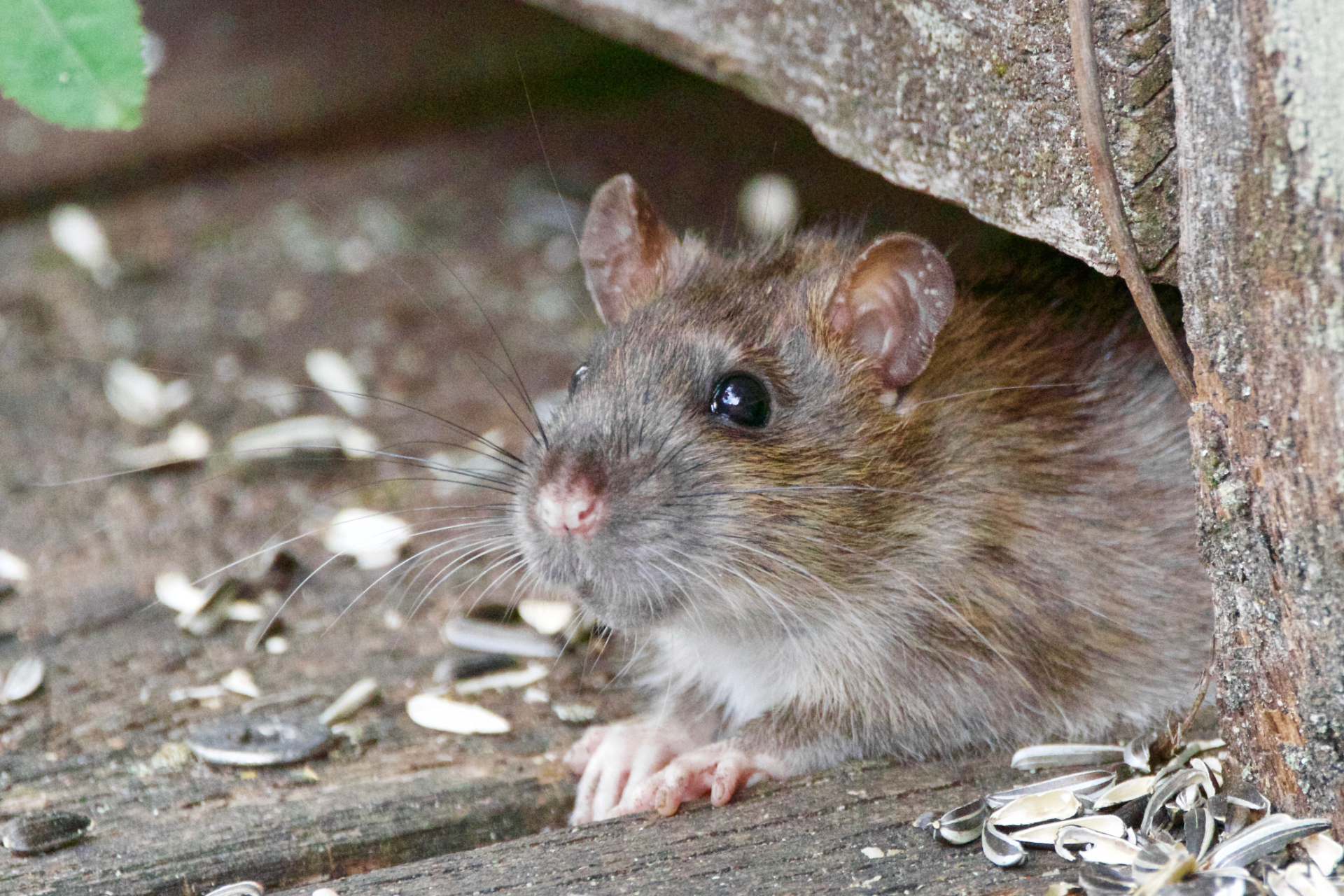
Customers do not need to see a large infestation before becoming concerned. One mouse crossing a floor, a cockroach near a counter or evidence of bed bugs in a hotel room may be enough to generate complaints.
Customers may contact the business directly, post comments online or make a report to local authorities. Such incidents can result in wider attention, particularly when food safety or public health is involved.
Businesses depend on trust. Keeping a pest-free environment helps protect that trust and provides customers with greater confidence that the premises are being managed responsibly.
Property and Merchandise Damage
Damage to property is another costly result of an infestation. Rats and mice are particularly destructive because they regularly chew materials as part of their natural behaviour.
Rodents may damage wood, plastic, packaging, insulation and other materials. They may also chew wires. Damage to electrical wiring can create safety hazards and increase the risk of electrical fires.
Stock stored in warehouses, shops and food businesses can also be ruined. Rats, mice, cockroaches, ants and other pests may gain access to boxes, containers and packaging while searching for food and shelter.
Once there is evidence that pests have reached stored products, a business may need to dispose of the affected stock. This can produce direct financial loss as well as additional waste.
Birds Can Also Damage Commercial Buildings
Birds can become a nuisance when they nest on commercial buildings. Nesting birds may block gutters, drainage channels and other areas of a structure, increasing the risk of water damage.
Nesting materials can include dry grass, twigs, feathers and other materials. When nests are created close to electrical equipment, lighting or other heat sources, they may create a safety risk and could contribute to a fire hazard.
Bird droppings can also affect roofs, signs, entrances, floors and areas used by customers or employees. Large numbers of birds can create ongoing problems unless the cause of their presence is identified and suitable control measures are introduced.
Health Risks Caused by Pest Infestations

Pests can create a serious health risk because some species carry diseases and harmful bacteria. They can contaminate surfaces, equipment and products through their bodies, saliva, urine and droppings.
Rodents may carry diseases and spread contamination while moving around a building. Cockroaches can also spread disease by moving between dirty areas and surfaces used for food preparation.
Salmonella and other harmful bacteria can be associated with contamination caused by pests. Rodents are also linked with illnesses such as hantavirus, while contaminated food may expose people to bacteria including E. coli bacteria and other organisms capable of causing illness.
This health risk is particularly important in catering, hospitality, healthcare, food production and food retail, where contamination may affect large numbers of people.
Food Contamination Can Be Difficult to See
Customers do not have to see pests for an infestation to cause harm. A mouse may move across work surfaces during the night, while cockroaches can hide in gaps, equipment and dark areas during the day.
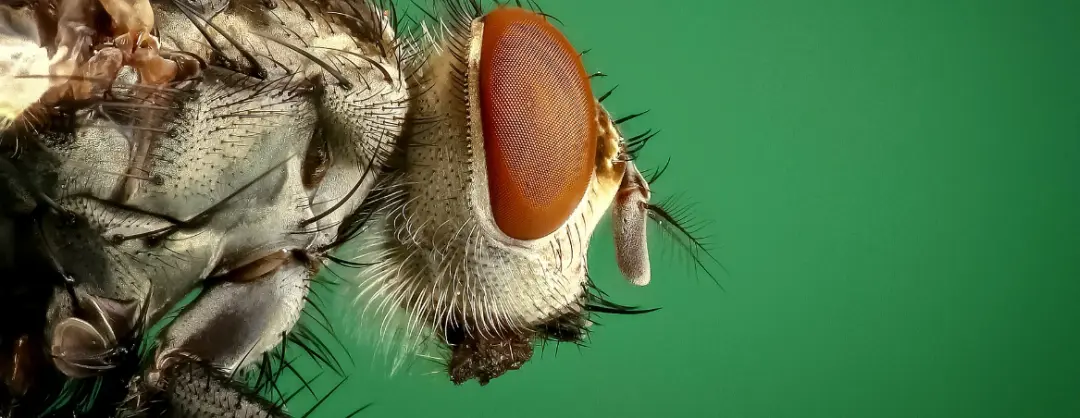
Flies may move between waste and food, allowing them to contaminate food and preparation areas. Ants can also enter food containers and move across food preparation surfaces in large numbers.
Food that appears normal may therefore have been exposed to contamination. Good pest control helps prevent contamination before affected food reaches customers.
Food businesses should also have a suitable cleaning schedule covering work surfaces, equipment, floors and other areas. Food waste should be removed regularly, as unmanaged waste attracts pests and creates favourable conditions for an infestation.
Pest Infestations Can Create Health and Safety Hazards
The risks caused by pests are not limited to disease. Droppings, damaged floors, blocked drains, loose materials and damaged electrical wires can all create health and safety concerns.
For example, bird droppings on a walkway may create a slipping hazard. A damaged wire may increase the chance of an electrical fault, while nests in drainage systems may contribute to flooding.
Employers are responsible for managing health and safety risks in the workplace. This includes identifying hazards, deciding who could be harmed and taking reasonable action to control the risk.
A pest infestation that is allowed to continue can therefore become more than a nuisance. Depending on the pest species and the nature of the premises, it may become a significant risk to employees, customers and other people using the building.
How Pests Affect Employees and Productivity
Pests can also have an impact on employees. Staff who regularly see rodents, cockroaches, flies or droppings at work may feel uncomfortable about the cleanliness and safety of their workplace.
Persistent pest problems can lower employee morale. Workers may become concerned about taking pests home on clothing or personal belongings, particularly where bed bugs are present.
Employee morale may also suffer if staff believe that reported signs of an infestation are not being taken seriously. Employees should therefore know how to report pest activity and who is responsible for addressing the problem.
There can also be an effect on productivity. Staff may have to move from affected areas, clean contaminated equipment, dispose of stock or support pest control work. In a severe infestation, sections of the workplace may need to close temporarily.
Bed Bugs Can Be Particularly Harmful to Hotels
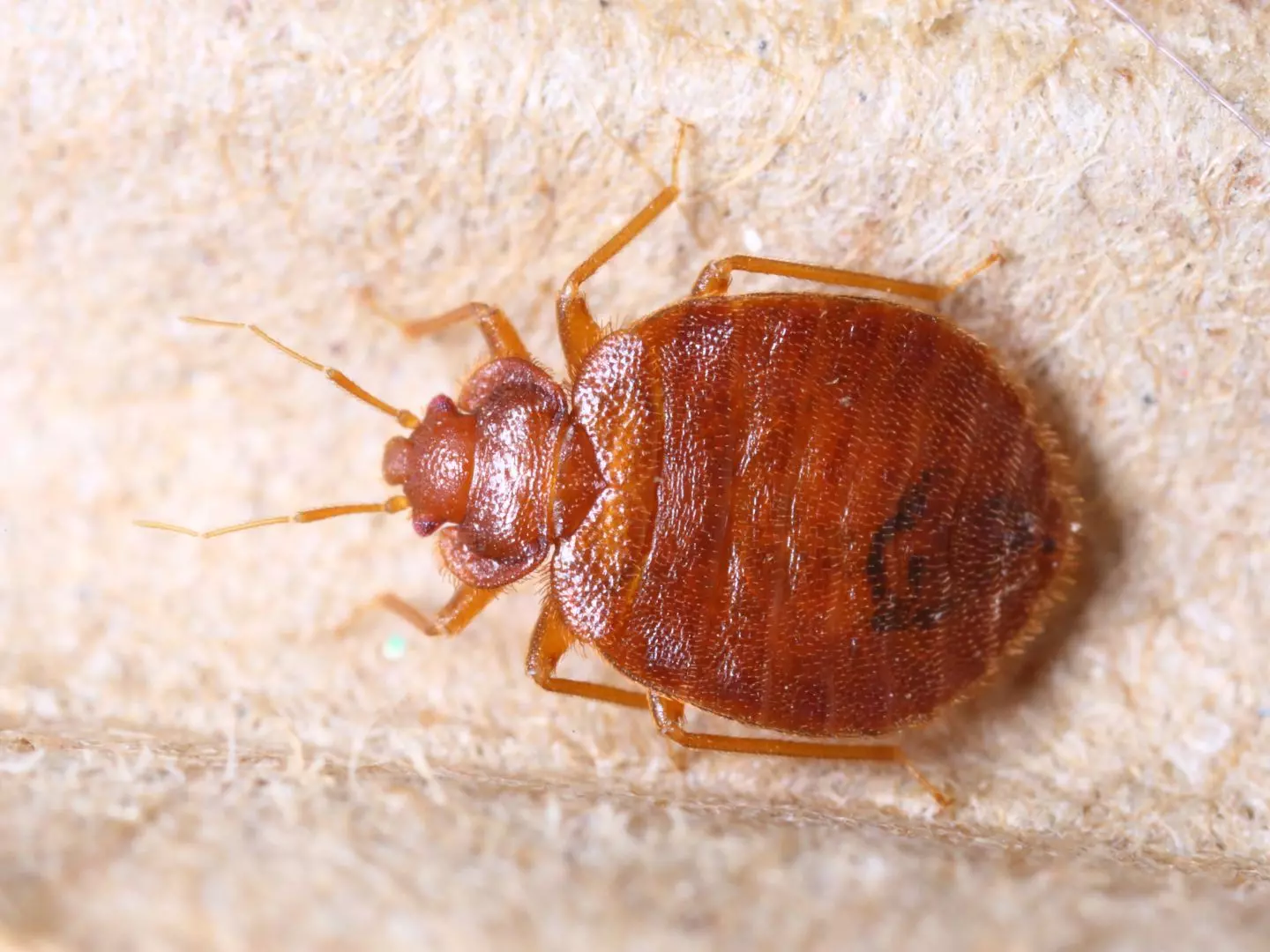
Bed bugs are an important concern for hotels and other businesses providing accommodation. Unlike many common pests, bed bugs are not necessarily attracted by poor hygiene. They can be brought into a building in luggage, clothing, furniture and other belongings.
Once present, bed bugs can hide in mattresses, bed frames, furniture, cracks and gaps. This makes them difficult to identify and control without professional support.
A bed bug infestation can result in rooms being taken out of use, furniture being treated or replaced and customers requesting refunds or compensation. Reports of bed bugs can also create serious reputation damage for a hotel.
Bed bugs made up 6% of the pest activity recorded in the 2025 data mentioned earlier, showing that they remain a pest businesses should be aware of.
Pests Can Lead to Food Hygiene Enforcement
Food businesses have clear responsibilities for keeping food safe. Their premises must support good hygiene, including protection against contamination and effective pest control.
When food premises are inspected, officers can consider the physical condition of the business, cleanliness, layout, pest control and the systems used to maintain good hygiene. Serious failures can lead to enforcement action.
Food Standards Agency information published in 2026 states that 6,199 establishments were reported as being subject to formal enforcement action following a food hygiene intervention during 2024/25. This was 30% higher than the pre-pandemic figure of 4,784.
These figures cover food hygiene enforcement generally and are not all pest-related cases. However, they show the serious consequences businesses can face when hygiene standards fall below the required level.
For a food business, failing to control an insect infestation, rodents or other pests may contribute to a low hygiene rating and, in serious circumstances, restrictions on operations, closure or prosecution.
Loss of Customers and Revenue
A pest infestation can quickly result in loss of business. Customers who become aware of an infestation may decide to purchase products or services elsewhere.
This effect can continue even after the immediate pest problems have been solved. Negative reviews, photographs and news reports may remain visible for years, making it difficult for a business to recover its previous reputation.
Fewer customers naturally lead to lower revenue. At the same time, the company may be paying for repairs, replacement stock, cleaning, pest control services and other work needed to recover.
These combined costs mean an infestation can affect a business financially from several directions at once. Prevention is therefore about more than simply removing pests. It is also about protecting income and keeping normal operations running.
Business Closure
One of the most serious outcomes of a pest infestation is temporary or permanent closure. This is particularly important when pests create an immediate threat to food safety or public health.
A business may decide to shut voluntarily while professional pest control services deal with an infestation. In more serious circumstances, local authorities may take formal action when conditions present an unacceptable risk.
Closure creates immediate loss because the business cannot trade normally. Employees may be unable to work, bookings can be cancelled and stock may need to be destroyed.
Reopening does not automatically solve every problem. Customers may remain aware of the past infestation, so rebuilding trust can take considerable time. Preventing pests from becoming established is therefore much safer than trying to recover after a serious incident.
What Attracts Pests to Business Premises?
Pests normally enter a commercial environment because they can find food, water or shelter. Removing these opportunities can make a building much less attractive to them.
Food waste is an obvious attraction. Open bins, overflowing rubbish, food beneath equipment, spills and poorly stored products can provide an easy food source. This is why good waste management is an essential part of prevention.
Water is another factor. Leaking pipes, standing water and poor drainage can provide pests with a reliable water source. Cockroaches and rodents may thrive where food, water and undisturbed shelter are available.
Clutter can provide shelter and nesting materials. Cardboard, unused furniture, stored fabric and other materials should therefore be kept organised and checked regularly.
The exterior of the building is equally important. Overgrown vegetation, rubbish, damaged drains and areas where birds can feed may encourage pest activity close to the premises.
How Do Pests Gain Access to Commercial Buildings?
Potential entry points can be surprisingly small. Pests may enter through gaps beneath doors, cracks around pipes, damaged walls, drains, roof spaces and poorly fitted windows.
Doors that are regularly left open can provide easy access for rodents, birds and flying insects. Windows used for ventilation may also provide an entry route if suitable protection is not present.
Goods arriving from suppliers can introduce other pests. Cockroaches, moths, ants and insects may be present in packaging or products, while bed bugs may be carried in furniture, luggage or fabrics.
Regular inspections of deliveries, storage areas and potential entry points can help identify problems before pests become established.
What Are the Signs of a Pest Infestation?
Knowing the early signs of an infestation gives businesses a better chance of taking action before the problem spreads.
Rodent signs may include droppings, footprints, scratching sounds, damaged food packaging and evidence of chewing. Mice and rats may also create nests using paper, fabric, insulation and other materials.
Cockroach signs can include droppings, egg cases, unusual smells or the insects themselves, particularly after dark. Ant trails often lead between a nest and a reliable food source.
Bird activity may be identified through nests, feathers and droppings around roofs, ledges and entrances. Bed bugs may leave marks on bedding and can sometimes be found around mattresses, bed frames or furniture.
Employees should be encouraged to report signs immediately. Waiting to see whether the problem disappears can allow pests to breed and spread into new areas.
How to Prevent Pests in Your Business
Effective prevention combines cleaning, maintenance, waste management, staff awareness and regular inspections. No single action can guarantee that pests will never enter a building, but a consistent approach greatly reduces the risk.
Keep Food Secure
Food should be stored in suitable food containers and kept away from areas where pests could gain access. Damaged packaging should be investigated, particularly if there are signs of chewing or insects.
Food preparation areas should remain clean, with crumbs, spills and waste removed promptly. Work surfaces and equipment should be cleaned as part of a documented cleaning schedule.
Manage Waste Carefully
Bins should be kept closed and waste should be removed regularly. Rubbish left close to a building attracts pests and can encourage rodents, birds and insects to remain in the area.
Outdoor waste areas should also be kept clean. Containers should be checked for damage, and spilled food or rubbish around bins should be removed rather than allowed to build up.
Block Entry Points
Inspect walls, floors, roofs, doors and windows for holes, cracks and gaps. Damaged areas should be repaired before pests can use them to gain access.
Particular attention should be given to gaps around pipes, cables, drains and service areas. Regular inspections can identify changes to the building before they create ongoing problems.
Train Employees to Report Problems
Staff training is an important part of prevention. Employees should understand the common signs of pest activity and know how to report them.
Employees who work with food should also understand why cleaning, safe storage and correct disposal of waste are important for keeping pests away and helping to prevent contamination.
Why Regular Pest Inspections Matter
Regular inspections can identify pest activity before it develops into a larger infestation. An inspection should look for droppings, damage, nests, insects, holes, food sources and potential entry points.
Businesses should pay particular attention to places that are rarely disturbed, such as store rooms, roof spaces, plant rooms, spaces behind equipment and areas beneath shelving.
Records can also help identify patterns. If the same type of pest repeatedly appears in one part of the building, there may be an access point or environmental condition that has not been corrected.
Addressing the reason pests are present, rather than simply killing individual pests, provides a more effective long-term solution.
When Should You Contact Professional Pest Control Services?
Some pest problems can be difficult to identify or remove without professional help. If there are repeated signs, large numbers of pests, contaminated food or evidence that pests are spreading through a building, professional pest control should be considered quickly.
Pest control experts can identify the pest species, assess the size of the infestation, find likely access points and recommend suitable control measures.
For businesses at greater risk, a pest control contract can provide scheduled inspections and ongoing support rather than waiting until a serious infestation has already developed.
Professional pest control services can also help businesses understand why pests are coming into the property and recommend preventative measures to reduce the chance of them returning.
Where rodents, insects, birds or other pests are affecting food, employees, customers or normal operations, early professional advice can prevent a small issue becoming a much larger problem.
Keeping a Pest-Free Environment
Keeping business premises free from pests requires ongoing attention. Cleaning, waste management, building maintenance, staff training and regular pest control checks should work together rather than being treated as separate tasks.
Most pests need food, water, shelter and a way into the building. Taking steps to remove these conditions can prevent pests from becoming established.
Businesses should also act whenever new signs appear. A few droppings, an unexplained hole in food packaging or an insect seen near preparation areas may provide the first evidence of a larger infestation.
Fast action helps protect employees, customers, stock, property and the reputation of the business. It also reduces the possibility of a small infestation leading to expensive damage, health problems or interrupted operations.
What Problems Can a Pest Infestation Cause Your Business?
A pest infestation can cause much more than an unpleasant sight. Pests can spread disease, contaminate food, damage stock, harm property, create safety hazards and lower employee morale.
They can also drive away customers, cause reputation damage and leave a business facing considerable financial loss. For food businesses, poor pest control can also become a food safety issue that attracts attention from local authorities.
The most effective approach is prevention. Keep the premises clean, store food correctly, dispose of waste properly, identify possible access points and make sure employees report signs of pest activity.
If an infestation is present, dealing with it quickly can greatly reduce the damage. Professional pest control can help identify the source of the problem, remove pests safely and put preventative measures in place to protect the building in the future.
Are you looking for pest control services in Portsmouth, Southampton, Basingstoke and Hampshire? Follow the link below to find a pest control specialist who can identify pest problems, recommend suitable control measures and help protect your premises from further infestation.